
Tapentadol 100mg (Nucynta): A Comprehensive Guide to Pain Relief
| Medicine Name | Tapentadol – Nucynta |
| Medicine Dosage | 100 mg | 200 mg |
| Shipment Delivery | USA to USA 3 Days Delivery |
| Best Price | $1.49 Per Pills |
| Where to Buy? | Visit Pharmacy |
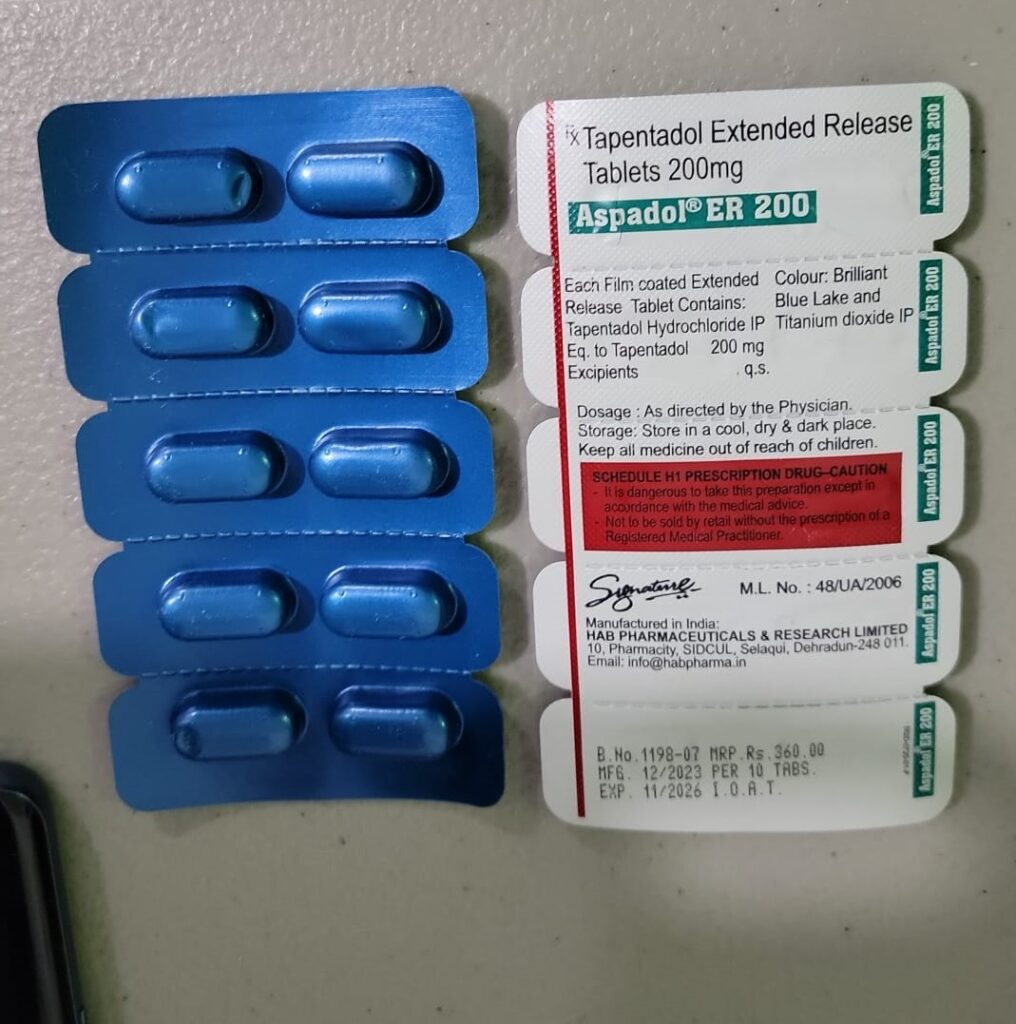
Tapentadol 100mg, also known by its brand name Nucynta, is a prescription medication commonly used for managing moderate to severe pain. This powerful pain reliever is often prescribed for conditions like chronic pain, neuropathic pain, and post-surgical pain. With its dual action mechanism, Tapentadol offers effective pain relief, making it a preferred choice for many patients.
In this article, we will cover the key details of Tapentadol 100mg (Nucynta), including its uses, benefits, potential side effects, and alternative treatments. By breaking down this information in a straightforward manner, you will have a clearer understanding of how this medication works and whether it’s the right option for you.
What is Tapentadol 100mg (Nucynta)?
Tapentadol 100mg is an opioid analgesic that works by altering the way your body perceives and reacts to pain. It is available in several strengths, and the 100mg dosage is typically prescribed for moderate to severe pain. Tapentadol combines the actions of two mechanisms: it activates the opioid receptors in the brain and spinal cord to block pain signals, while also inhibiting the reuptake of norepinephrine, a neurotransmitter that enhances pain relief.
The brand Nucynta is marketed as a safer alternative to some other opioids because it has a lower risk of abuse and side effects. It is often used in conditions such as:
- Chronic pain
- Neuropathic pain
- Post-surgical pain
By understanding how Tapentadol works, patients can better grasp its potential to help manage pain while keeping side effects in check.
How Does Tapentadol 100mg (Nucynta) Work?
Tapentadol provides pain relief through its two main actions:
- Opioid Receptor Activation: Like other opioids, Tapentadol binds to opioid receptors in the brain and spinal cord. This helps block pain signals, making it effective for treating moderate to severe pain.
- Norepinephrine Reuptake Inhibition: Tapentadol also inhibits the reuptake of norepinephrine, which is involved in pain regulation. This additional mechanism contributes to its effectiveness in treating nerve-related pain.
This combination of actions makes Tapentadol a versatile and potent option for pain relief.
Common Uses of Tapentadol 100mg (Nucynta)
Tapentadol 100mg is most commonly used for managing various types of pain. Here are some of the most common conditions it helps treat:
1. Chronic Pain
Tapentadol can provide relief for people with chronic pain conditions such as osteoarthritis, back pain, or fibromyalgia. Chronic pain can often become debilitating, affecting daily activities, and Tapentadol can offer much-needed relief.
2. Post-Surgical Pain
After surgery, pain management is crucial for a smooth recovery. Tapentadol is often prescribed for post-surgical pain because it helps control discomfort while allowing patients to heal without significant side effects.
3. Neuropathic Pain
For conditions like diabetic neuropathy, where nerve damage causes intense pain, Tapentadol’s ability to affect both opioid receptors and norepinephrine levels makes it effective. This type of pain can be difficult to manage with other medications, making Tapentadol a valuable option.
Benefits of Tapentadol 100mg (Nucynta)
Tapentadol 100mg (Nucynta) offers several advantages over other pain-relief medications, making it a popular choice for doctors and patients alike.
1. Dual Mechanism for Enhanced Pain Relief
Unlike many opioids, Tapentadol’s two-pronged approach – targeting opioid receptors and inhibiting norepinephrine reuptake – allows it to work more effectively in treating a variety of pain types. It can address both nerve pain and musculoskeletal pain, providing relief in multiple ways.
2. Lower Risk of Side Effects
Tapentadol is known for having fewer side effects compared to traditional opioids. Patients are less likely to experience issues like nausea, constipation, or sedation, making it a more comfortable option for many.
3. Lower Risk of Abuse
One of the major concerns with opioid medications is the potential for abuse. Tapentadol has a lower abuse potential compared to other opioids, making it a safer option for long-term use. This reduced risk of addiction makes Tapentadol a preferred choice for patients who need continuous pain management.
4. Effective for Both Acute and Chronic Pain
Whether you’re recovering from surgery or managing a long-term condition like arthritis, Tapentadol can be effective for both acute and chronic pain. Its versatile action makes it a go-to medication for a wide range of pain-related issues.
Side Effects of Tapentadol 100mg (Nucynta)
While Tapentadol is effective at relieving pain, it can cause side effects in some individuals. Here are some of the most common side effects:
- Dizziness or lightheadedness
- Drowsiness
- Nausea
- Headache
- Constipation
More severe side effects, although rare, can include breathing difficulties or changes in heart rate, especially if the medication is misused or taken in conjunction with other central nervous system depressants, such as alcohol or benzodiazepines.
Patients should always follow their doctor’s instructions and avoid taking more than the prescribed dose. If you experience any severe side effects, seek medical attention immediately.
Alternatives to Tapentadol 100mg (Nucynta)
If Tapentadol isn’t suitable for your pain management needs or you experience undesirable side effects, there are other medications and treatments available. Here are some alternatives:
1. Tramadol
Tramadol is another opioid-like medication that works similarly to Tapentadol, targeting the opioid receptors in the brain. It’s typically used for mild to moderate pain and carries a lower risk of addiction than stronger opioids.
2. NSAIDs (Non-Steroidal Anti-Inflammatory Drugs)
Over-the-counter medications like ibuprofen (Advil), naproxen (Aleve), and prescription celecoxib (Celebrex) can help reduce inflammation and provide pain relief for conditions like arthritis and muscle pain. They are often a first choice for mild to moderate pain.
3. Acetaminophen (Tylenol)
Acetaminophen is another over-the-counter option for pain relief. It’s less potent than opioids but can be effective for mild pain, such as headaches or low back pain. Acetaminophen is typically used in combination with other medications for stronger pain management.
4. Gabapentin or Pregabalin
For nerve pain, Gabapentin (Neurontin) or Pregabalin (Lyrica) can be effective alternatives. These medications target the nervous system to reduce pain caused by nerve damage and are often prescribed for conditions like diabetic neuropathy or post-shingles pain.
5. Steroid Injections
For severe pain caused by inflammation, steroid injections into the affected area can provide significant relief. These injections are typically used for conditions like arthritis, sciatica, or disc herniation.
6. Physical Therapy
In some cases, physical therapy may be a helpful non-medication option for pain management. Exercises that strengthen muscles and improve flexibility can alleviate pain, particularly for musculoskeletal issues.
Important Considerations Before Using Tapentadol 100mg (Nucynta)
Before using Tapentadol 100mg (Nucynta), consider the following:
- Health Conditions: Inform your doctor about any pre-existing conditions, such as liver or kidney problems, respiratory issues, or a history of substance abuse.
- Drug Interactions: Tapentadol can interact with other medications, especially central nervous system depressants. Always disclose any other drugs you are taking, including over-the-counter medications, supplements, or herbal products.
- Pregnancy and Breastfeeding: Tapentadol is not recommended during pregnancy, especially in the third trimester, as it can harm the baby. It’s also passed through breast milk, so consult your doctor if you’re breastfeeding.
- Addiction Potential: While Tapentadol has a lower risk of addiction compared to other opioids, it still has the potential for misuse. Always use it exactly as prescribed by your doctor.
Conclusion
Tapentadol 100mg (Nucynta) is a powerful pain relief option for those dealing with chronic pain, post-surgical recovery, or neuropathic pain. Its dual mechanism of action provides effective pain management, and it carries a lower risk of side effects and abuse compared to traditional opioids. However, as with any medication, it’s essential to follow your doctor’s instructions and be aware of potential side effects.
If Tapentadol isn’t the right choice for you, alternatives like tramadol, NSAIDs, gabapentin, or physical therapy may be suitable options for managing pain. Always consult with your healthcare provider to find the best treatment plan for your needs. By understanding your medication options, you can take an active role in managing your pain and improving your quality of life.
other Resources
Soma – Carisoprodol
Ultram – Tramadol
Ambien – Zolpidem
Klonopin – Clonazepam
Pregabalin – Lyrica